
It is a common misconception that a little blood in the sink after brushing is normal. In reality, bleeding gums are a clear signal from your body that your oral health needs immediate attention. At our Allen, TX dental office, we specialize in identifying the root causes of gum sensitivity and providing the necessary treatments to reverse gum disease before it escalates into tooth loss.
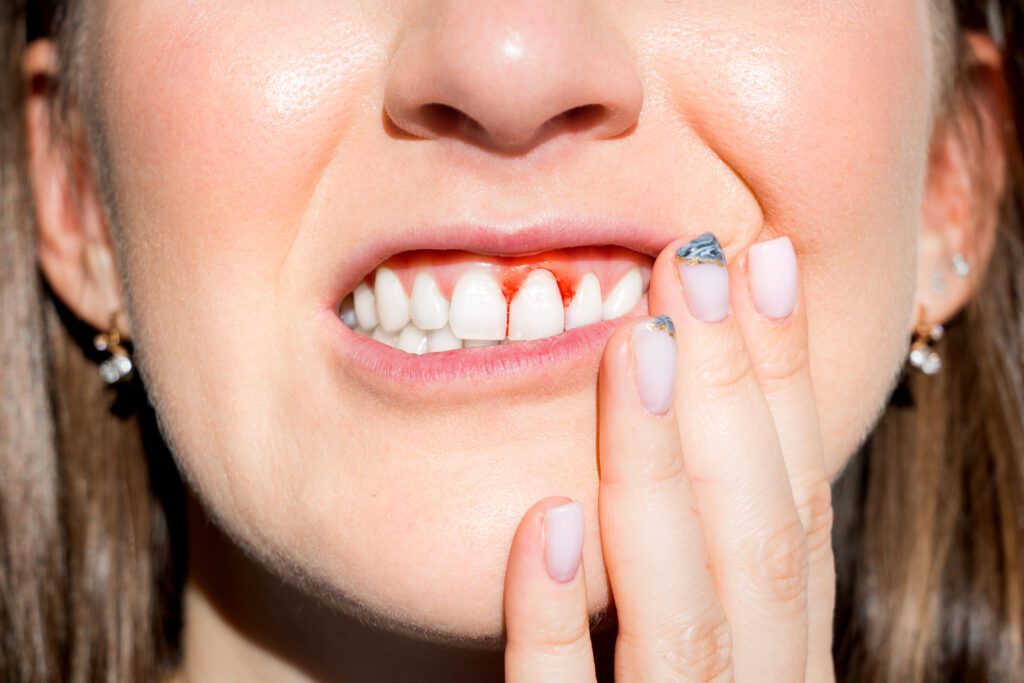
Why Your Gums May Be Bleeding
The most frequent culprit behind bleeding gums is gum disease. This begins when plaque—a sticky film of bacteria—accumulates along the gum line. If not removed through daily care, plaque hardens into tartar, which can only be removed by a dental professional.
Common contributors to gum irritation include:
- Gingivitis: The earliest stage of gum disease, characterized by redness, swelling, and bleeding.
- Aggressive Brushing: Using a hard-bristled toothbrush or applying too much pressure can traumatize delicate gum tissue.
- Hormonal Fluctuations: Pregnancy or other hormonal shifts can increase gum sensitivity.
- Nutritional Deficiencies: A lack of Vitamin C or Vitamin D can weaken the tissues that support your teeth.
- Medication Side Effects: Certain prescriptions may increase the risk of gingival bleeding.
Ignoring these symptoms can allow gingivitis to progress into periodontitis, a severe infection that destroys the bone and tissue supporting your teeth.
Our Approach: Scaling and Root Planing
When dental concerns like bleeding gums arise, we often recommend a deep cleaning procedure known as scaling and root planing. This is the gold standard for treating active gum disease.
The Scaling Process
Scaling involves the precise removal of plaque and tartar from the tooth surface, both above and below the gum line. We often utilize ultrasonic scalers that use gentle vibrations to break up hardened deposits, reducing inflammation and giving your gums a chance to breathe.
The Root Planing Process
After scaling, we perform root planing to smooth out the rough surfaces of the tooth roots. This serves two purposes: it makes it difficult for bacteria to re-adhere to the teeth, and it allows the gum tissue to reattach firmly, shrinking the “pockets” where bacteria thrive.
Prevention and Daily Care
Maintaining healthy gums is a daily commitment. To prevent the recurrence of bleeding gums, we recommend the following protocol:
- Gentle Brushing: Use a soft-bristled toothbrush and fluoride toothpaste. Move in gentle, circular motions rather than scrubbing.
- Flossing & Interdental Care: Flossing reaches the areas your toothbrush cannot. If traditional floss is difficult, consider a water flosser or interdental picks.
- Dietary Support: Incorporate leafy greens, citrus fruits, and dairy to provide your body with the nutrients needed for tissue repair.
- Hydration: Water helps maintain saliva production, which naturally washes away harmful bacteria.
Frequently Asked Questions
Can a dental cleaning treat bleeding gums?
Yes. If the bleeding is caused by plaque or tartar irritation, a professional cleaning at our Allen office can remove the irritants and stop the inflammatory response.
Are bleeding gums a dental emergency?
Usually, no. However, if the bleeding is heavy, won’t stop, or is accompanied by loose teeth and severe pain, you may require emergency dentistry care to address a significant infection or trauma.
Can stress cause bleeding gums?
Indirectly, yes. High stress increases cortisol, which can weaken your immune system. This makes it harder for your body to fight the bacteria that cause gingivitis.
Can smoking lead to bleeding gums?
Smoking restricts blood flow to the gums, depriving them of oxygen and nutrients. It also masks symptoms of gum disease, meaning damage may be severe before bleeding occurs.
Can antibiotics help bleeding gums?
If the bleeding is the result of a bacterial infection, we may prescribe antibiotic rinses or gels to kill the bacteria and allow your gums to heal after a deep cleaning.
What do I do if I injure my gums?
Rinse with warm salt water, apply gentle pressure with clean gauze, and use a cold pack to reduce swelling. If the cut is deep or bleeding persists after 10 minutes, contact us immediately.
Treat Bleeding Gums
We’re here to keep your smile bright and your gums healthy. If you have bleeding gums or have concerns about your gum health, call our Allen, TX, office at 972.727.3941. You can also schedule an appointment with us online.